Dealing with Ingrown Toe Nails
Beauty Express
9/1/20252 min read

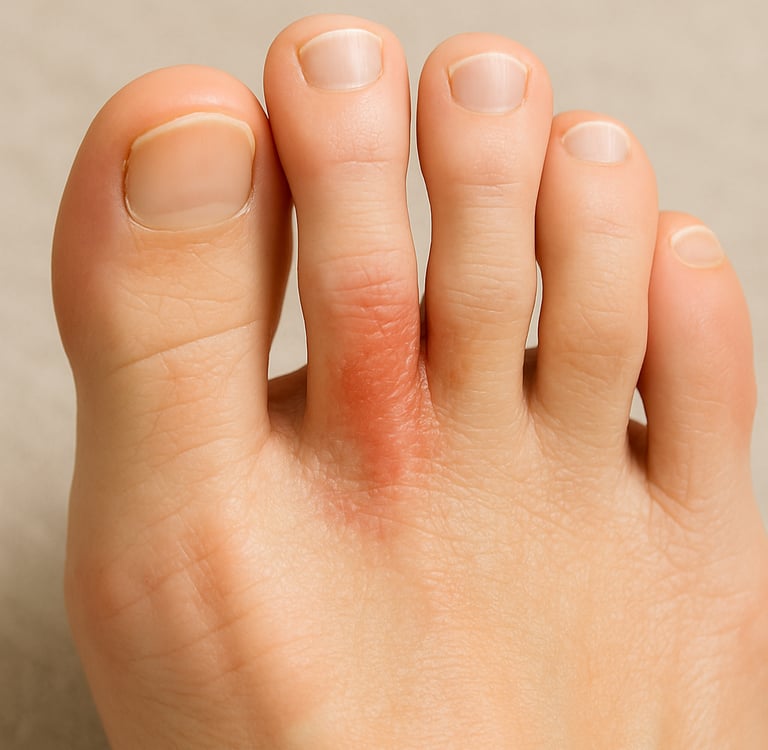
Ingrown toenails can be a painful and frustrating foot condition that affects people of all ages. As a foot care nurse, I have seen many patients come in with ingrown toenails seeking relief from their discomfort. In this article, we will discuss the causes, symptoms, and treatment options available for this common foot problem.
What Are Ingrown Toenails? An ingrown toenail occurs when the corner or edge of a toenail grows into the soft flesh surrounding it. This can cause redness, swelling, pain, and infection if left untreated. Ingrown toenails most commonly affect the big toe, but they can occur on any toe.
Causes and Risk Factors: Several factors can contribute to the development of ingrown toenails, including:
Improper nail trimming: Cutting your nails too short or rounding the edges can cause the nail to grow into the skin.
Trauma to the nail: Injury or repeated pressure to the nail can lead to ingrown toenails.
Tight or ill-fitting footwear: Shoes that are too tight or narrow can put pressure on the toes and cause the nail to grow into the skin.
Genetics: In some cases, ingrown toenails can be hereditary.
3. Symptoms: The most common symptoms of ingrown toenails include:
Pain and tenderness along the side of the nail.
Swelling and redness around the nail.
Infection, including pus or drainage from the affected area.
4. Treatment Options: If you are experiencing symptoms of an ingrown toenail, it is essential
to seek treatment from a foot care nurse. Treatment options may include:
Soaking the foot in warm water and Epsom salt to reduce swelling and soften the skin.
Lifting the nail edge and placing cotton or dental floss under it to encourage the nail to
grow over the skin.Antibiotics or antifungal medications to treat any infection present.
Partial or complete nail removal, depending on the severity of the ingrown nail.
5. Prevention Tips: Preventing ingrown toenails involves taking proper care of your feet and
nails, including:
Cutting your nails straight across and avoiding rounding the edges.
Wearing properly fitting shoes with enough room in the toe box.
Avoiding tight or pointed shoes that put pressure on the toes.
Treating any foot injuries promptly to prevent the development of an ingrown nail.
Ingrown toenails can be a painful and uncomfortable foot condition, but they are treatable with the right care. Seeking treatment early on can help prevent complications, such as infection. By taking good care of your feet and nails, you can minimize your risk of developing an ingrown toenail. If you are experiencing symptoms, make an appointment with a foot care nurse to receive the proper diagnosis and treatment. Remember, healthy feet are happy feet!