Understanding Corns and Calluses
Beauty Express
10/1/20252 min read
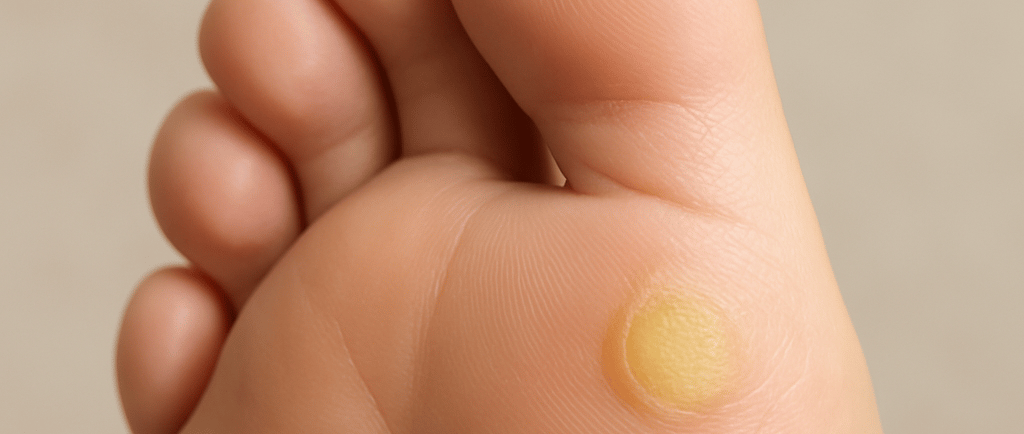
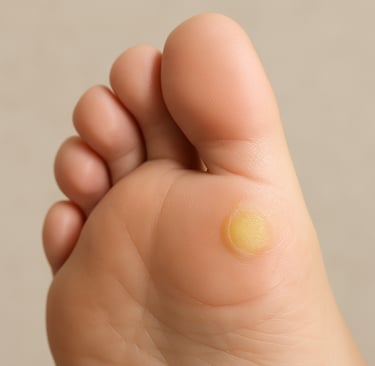
As a foot care nurse, I encounter numerous foot conditions on a daily basis, and one common issue that many people struggle with is the development of corns and calluses. These small, hardened areas of skin may seem harmless at first, but if left untreated, they can cause discomfort and pain. In this article, we'll delve into the world of corns and calluses, exploring their causes, prevention, and treatment options. By gaining a better understanding of these conditions, you can take proactive steps to keep your feet healthy and pain-free.
What Are Corns and Calluses? Corns and calluses are thickened areas of skin that typically develop on the feet, although they can also appear on other parts of the body. Corns are usually small, round, and found on the toes, while calluses are larger and appear on weight-bearing areas such as the soles of the feet. They form as a natural defense mechanism, as the skin thickens to protect itself against friction, pressure, or irritation.
Causes and Risk Factors: Corns and calluses can be caused by several factors, including:
Ill-fitting footwear: Tight shoes or those with high heels can create excessive pressure points on the feet.
Foot deformities: Conditions like bunions or hammertoes can contribute to the development of corns and calluses.
Walking or standing for prolonged periods: Occupations or activities that require extended periods of standing or walking increase the risk.
Abnormal gait patterns: Conditions that affect the way you walk or distribute weight, such as flat feet or high arches, can lead to excessive friction.
Reduced fat padding: Aging or certain medical conditions can cause a loss of fat padding, making the skin more susceptible to pressure and friction.
3. Prevention Tips: Prevention is key when it comes to corns and calluses. Consider
implementing these strategies into your foot care routine:
Choose proper footwear: Opt for shoes that fit well, have sufficient cushioning, and provide adequate toe room.
Use protective padding: If you have areas prone to corns or calluses, utilize protective padding, such as moleskin or gel cushions, to reduce friction.
Maintain good foot hygiene: Regularly wash and dry your feet, and moisturize them to keep the skin supple and less prone to thickening.
Trim your toenails properly: Cut your toenails straight across and avoid rounding the edges to minimize the risk of ingrown nails.
4. Treatment Options: When corns or calluses develop, it's important to address them
promptly to prevent discomfort and potential complications. Here are some treatment
options a foot care nurse may recommend:
Paring and debridement: Using specialized tools, a foot care nurse can carefully remove the thickened skin layers, relieving pain and pressure.
Custom orthotics or shoe inserts: These devices help redistribute weight, reduce pressure points, and correct abnormal foot mechanics.
Padding and cushioning: Applying non-medicated pads or cushions can alleviate discomfort and protect the affected areas from further irritation.
Moisturization and exfoliation: Regularly moisturizing the feet and gently exfoliating can help soften and reduce the thickness of corns and calluses.
Footwear modifications: A foot care nurse can guide you in choosing proper footwear or making adjustments to your existing shoes to alleviate pressure points.
Corns and calluses may be common foot conditions, but with the right knowledge and preventive measures, you can keep them at bay. Regular foot care, appropriate footwear choices, and early intervention are crucial for maintaining healthy, pain-free feet. If you're dealing with persistent or painful corns and calluses